
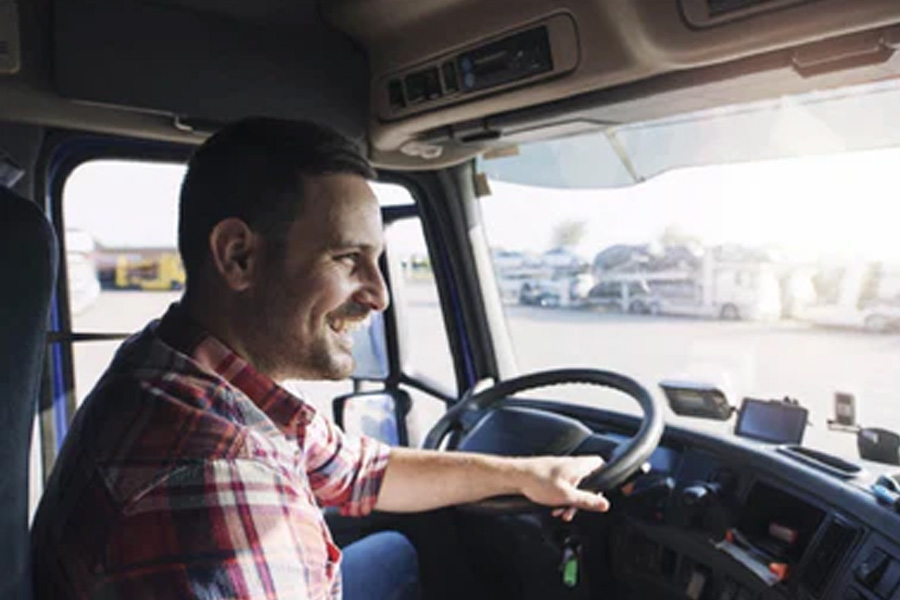
The delivery industry serves as the lifeblood of the modern global economy, ensuring that goods move seamlessly from warehouses to doorsteps. Behind the wheel of every truck is a professional driver who spends upwards of eight to ten hours a day navigating traffic, tight corners, and varied road conditions. While much attention is paid to engine performance and fuel efficiency, the most critical component of the vehicle for the operator is often the one they interact with most: the seat. Ergonomic seating is no longer a luxury in the logistics world; it is a vital tool designed to mitigate the physical toll of long-haul driving and significantly reduce driver fatigue. By addressing the physiological needs of the human body, these advanced seating systems ensure that drivers remain alert, healthy, and safe throughout their shifts.
Mitigating the Impact of Whole Body Vibration
One of the most unique challenges faced by delivery drivers is whole body vibration. As a delivery truck seats moves over uneven pavement, expansion joints, and potholes, mechanical vibrations are transmitted through the vehicle chassis and directly into the driver’s body. Research has shown that prolonged exposure to these vibrations can lead to a range of health issues, including chronic back pain and digestive problems, but its most immediate effect is the acceleration of fatigue. The body perceives these constant micro-movements as a stressor, triggering a subtle but tiring physical response as the muscles twitch to compensate.
Modern ergonomic delivery seats often feature sophisticated air suspension systems that act as a secondary shock absorber for the driver. These systems utilize pressurized air bellows that can be adjusted based on the driver’s weight, effectively floating the seat above the cabin floor. By isolating the operator from the harshness of the road, the seat dampens the vibrations before they reach the spine. This isolation not only protects the driver’s long-term health but also prevents the nervous system from becoming overstimulated, allowing for a calmer and more focused driving experience.
Enhancing Circulation and Reducing Physical Discomfort
Proper blood circulation is essential for maintaining alertness and preventing the “heavy limb” sensation that often precedes mental fog. Traditional seats can sometimes create pressure points on the underside of the thighs or at the base of the tailbone, which restricts blood flow to the lower extremities. This lack of circulation can cause numbness or tingling, forcing the driver to frequently shift their position, which distracts them from the road and increases their irritation levels.
Ergonomic seating addresses this through the use of high-density memory foam and contoured cushions designed to distribute weight evenly across the entire seating surface. Many advanced models also incorporate adjustable seat pans that allow drivers to change the angle and depth of the cushion to match their leg length.
Investing in Long-Term Safety and Efficiency
For fleet owners and independent operators, the transition to ergonomic seating is a decision that pays dividends in safety and operational efficiency. Reduced driver fatigue directly correlates with a lower risk of accidents, fewer workers’ compensation claims, and better driver retention rates. While the initial cost of an ergonomic seat may be higher than a standard model, the long-term savings realized through improved health and safety outcomes make it one of the most cost-effective upgrades available for a delivery vehicle.
As technology continues to advance, we can expect to see even more innovation in this space, including seats that use biometric sensors to detect the earliest signs of fatigue and automatically adjust their support or vibration patterns to re-engage the driver. However, even with current technology, the shift toward human-centric design in the truck cabin is already proving to be a game-changer. By prioritizing the physical well-being of the person behind the wheel, the industry is ensuring a safer, more sustainable future for the road.