
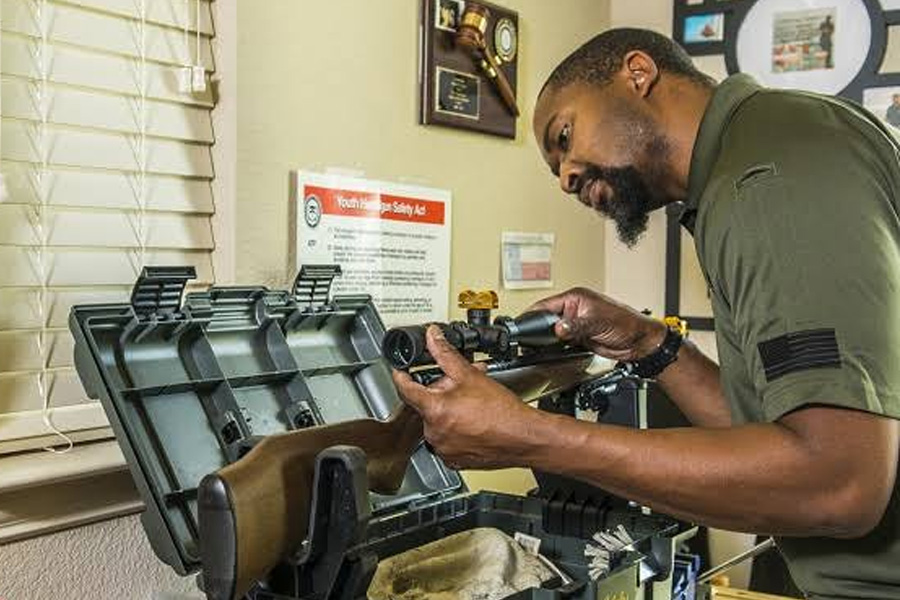
Students exploring technical education often want to understand how training prepares them to perform work correctly, not just quickly. Many prospective learners search for phrases like Sonoran Desert Institute Worth It because they want to evaluate whether a program prioritizes accuracy and reliability over rushing through tasks. That is a practical way to assess training value. Sonoran Desert Institute (SDI), which is accredited by the Distance Education Accrediting Commission (DEAC), recognizes that focusing on process rather than speed is essential for developing strong technical skills. Training programs are designed to help students build careful, repeatable habits that support long-term performance.
In technical fields, speed without accuracy can lead to mistakes, inconsistencies, and unreliable results. For this reason, training emphasizes structured processes that guide students through each step of a task. By learning to prioritize how work is done, students develop the discipline and control needed to perform tasks correctly and consistently.
Establishing Accuracy Before Speed
Technical training programs are designed to help students focus on accuracy before attempting to increase speed. Early assignments emphasize careful execution, requiring learners to follow each step of a process with attention and precision. This approach helps students understand how to complete tasks correctly before introducing expectations around efficiency. By prioritizing accuracy first, training programs help learners build a strong foundation that supports reliable performance.
As students gain experience, they begin to see that accuracy naturally leads to improved efficiency over time. When tasks are performed correctly, there is less need to repeat work or correct mistakes. This reinforces the idea that taking time to follow the proper process ultimately supports better outcomes. Instead of rushing, students learn to value consistency and correctness as the basis for skill development.
Reducing Errors Through Careful Execution
Emphasizing process helps reduce errors by encouraging students to approach tasks in a structured and deliberate way. When learners follow clear steps, they are less likely to overlook important details or skip critical parts of the process. This careful execution supports more accurate results and helps prevent mistakes that can disrupt learning.
Students are also taught to verify their work as they progress through each stage of an assignment. This habit of checking and confirming results reinforces accuracy and builds awareness of how small errors can affect outcomes. Over time, learners develop a disciplined approach that prioritizes correctness over speed, leading to more consistent performance.
Reinforcing Process-Based Thinking
Process-based thinking is a key component of technical education, and training programs emphasize the importance of following structured workflows. Students learn to approach tasks step by step, understanding that each stage contributes to the overall result. This mindset helps learners focus on completing tasks correctly rather than rushing to finish.
By reinforcing process-based thinking, training programs help students develop habits that support long-term success. Learners begin to rely on established methods rather than improvisation, which reduces variability in their work. This structured approach creates a stable foundation for handling more complex tasks as they progress through their training.
Building Attention to Detail
Focusing on process encourages students to pay close attention to detail, which is essential for maintaining quality in technical work. Assignments are designed to require careful observation and precise execution, helping learners understand how small elements influence the result. This attention to detail is difficult to maintain when tasks are rushed.
As students practice slowing down and focusing on each step, they develop a more deliberate approach to their work. They become more aware of how their actions affect outcomes and learn to prioritize accuracy over quick completion. This habit supports both learning and performance, so that tasks are completed with care and consistency.
Strengthening Discipline and Work Habits
Emphasizing process over speed helps students develop discipline and strong work habits. Training programs encourage learners to approach each task with focus, patience, and a commitment to following procedures correctly. This disciplined approach reduces the likelihood of errors and supports steady improvement over time.
Students learn that technical work requires consistency and attention rather than haste. By practicing structured workflows, they develop habits that can be applied across different tasks and environments. These habits become part of their routine, helping them maintain quality even as tasks become more complex.
Supporting Long-Term Skill Development
Prioritizing process supports long-term skill development by helping students build reliable and repeatable techniques. When learners focus on how tasks are completed, they develop a deeper understanding of the steps involved and how those steps contribute to the outcome. This understanding helps reinforce learning and supports skill retention over time.
As students continue practicing, they become more efficient without sacrificing accuracy. Speed develops naturally because of familiarity and confidence, rather than being forced prematurely.
Evaluating Programs That Prioritize Process
For prospective students reviewing firearms technology training programs, the emphasis on process over speed can provide valuable insight into how effectively the program supports skill development. Programs that prioritize careful execution often help students build stronger and more reliable technical abilities.
People who search for Sonoran Desert Institute worth it are often asking whether a program prepares them for real responsibilities where accuracy matters more than speed. Training that focuses on structured processes helps answer that question by demonstrating how students develop disciplined and consistent work habits. Programs that emphasize process-based learning often create a more effective and supportive environment for skill development.
Building Reliable Skills Through Process
Technical education places emphasis on process to support consistent and accurate skill development. By working through structured workflows and clearly defined steps, students learn how tasks are performed and what is required at each stage. This focus helps build a more methodical approach to technical work.
With repeated practice, learners become more familiar with proper techniques and expectations. This familiarity supports more consistent performance and helps reduce variation in how tasks are completed. Over time, students develop a clearer understanding of how to apply their skills across different situations. When training emphasizes process over speed, it supports the development of reliable and repeatable techniques. This approach helps prepare learners for firearms-related technical roles where accuracy, discipline, and consistency are part of daily work.